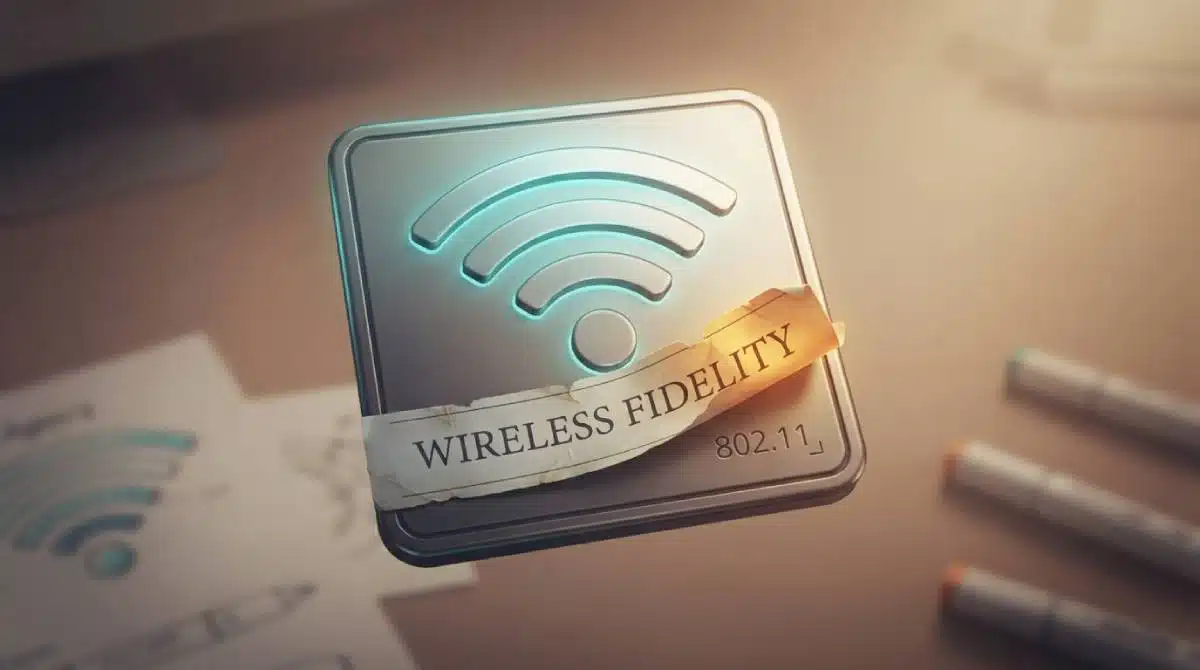
Ask most people what WiFi stands for and you’ll get a confident answer: Wireless Fidelity. It sounds right, it’s repeated constantly, and it’s wrong. WiFi doesn’t actually stand for anything — it was invented by a branding company as a catchy, memorable marketing term, and “Wireless Fidelity” was created after the fact as a retronym to give the name a plausible-sounding origin.
The Actual Origin Story
The underlying technology is formally known as IEEE 802.11, a set of standards defining how wireless local area networks communicate. That’s accurate but entirely uncatchy as a consumer-facing name, so a branding firm called Interbrand was brought in specifically to create something more marketable. “WiFi” was the result — chosen for how it sounded, not because it abbreviated anything technical. Even the WiFi Alliance, the industry group that maintains and promotes the standard, has acknowledged the name doesn’t technically stand for anything.
Why This Kind of Myth Sticks So Easily
“Wireless Fidelity” spread and stuck because it sounds exactly like the kind of thing a technical acronym would expand into — it’s plausible, it’s memorable, and nobody has an obvious reason to question it. This is a pattern worth noticing beyond just this one fact: a lot of confidently repeated “explanations” about how technology works are retrofitted stories that sound right rather than verified ones, and WiFi’s own name is a perfect, low-stakes example of exactly that happening at scale.
A Small Fact, a Useful Habit
None of this changes how WiFi actually works in your home, but it’s a genuinely fun piece of trivia — and a small reminder that plenty of “common knowledge” about your internet connection deserves a second look. If you’ve ever wondered whether something you’ve heard about your own network is actually true, that same instinct is worth applying to troubleshooting too, not just trivia.
Curious what your actual connection is doing right now, myths aside? Run a quick check with our free speed test.
Related Guides
Frequently Asked Questions
So what does WiFi actually stand for?
Nothing, officially. It was created by a branding firm as a catchy marketing name for the IEEE 802.11 wireless standard, and “Wireless Fidelity” was invented afterward as a plausible-sounding explanation rather than the real origin.
Is this confirmed by an official source?
Yes — the WiFi Alliance, the industry group behind the standard, has acknowledged that the name doesn’t technically stand for anything, despite how widely “Wireless Fidelity” continues to be repeated as fact.